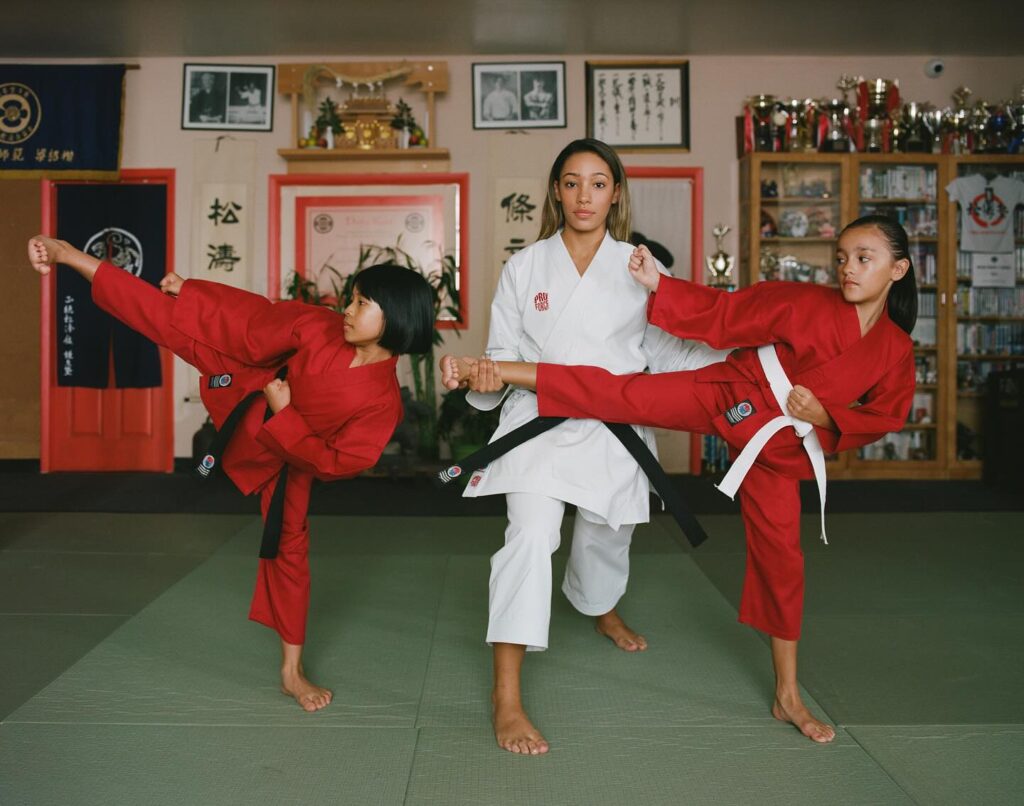
Martial arts training can be beneficial for a lot of autistic people.
Training provides structure and routine. It also provides an opportunity to form friendships and community with likeminded people. Physical activity can help with stress relief and working through aggression and frustration in a productive way and technique training can help improve focus and the mind-body connection. And everything from the techniques themselves to the history of martial arts is fascinating, which makes them appealing for autistic people who really want to dig into and learn everything they can about their special interests.
Martial arts training can also be a challenge for a lot of autistic people.
The sounds, textures, bright overhead lights, and smells that come along with group training in a dojo setting can be difficult for anyone who has sensory issues. Group classes can be intimidating and hard to navigate for people who have atypical social skills. The intricacies of some techniques and the pace of group classes can be frustrating for people who have issues with physical activity and coordination.
Finding the right balance between the good and the not-so-good parts can also be a challenge. But it is possible. All you need is a lot of research, the right learning environment, and the right gear.
To celebrate Autism Awareness Month, here are some tips that can help autistic people and parents of autistic children maximize the benefits and minimize the downsides of martial arts training.
Find the right fit for your training.
There’s a popular saying in the autism community that if you’ve met one person with autism, you’ve met one person with autism. Everyone on the spectrum has their own needs, strengths, and interests. So the process of choosing the best martial art for yourself or your child is going to look a little different for each autistic martial artist. But there are some general ideas that can help you on your individual journey:
Find the right martial art.
Make an honest assessment of your goals and your needs. What is it that you really want to get out of your training? Are there certain kinds of training that might be more challenging for you? What could make certain types of training more comfortable or appealing? What accommodations will you require? Are you able to step out of your comfort zone at all, or is that beyond your capacity at the moment? Are you willing to attempt contact training, or is parallel play-type training a better fit for you?
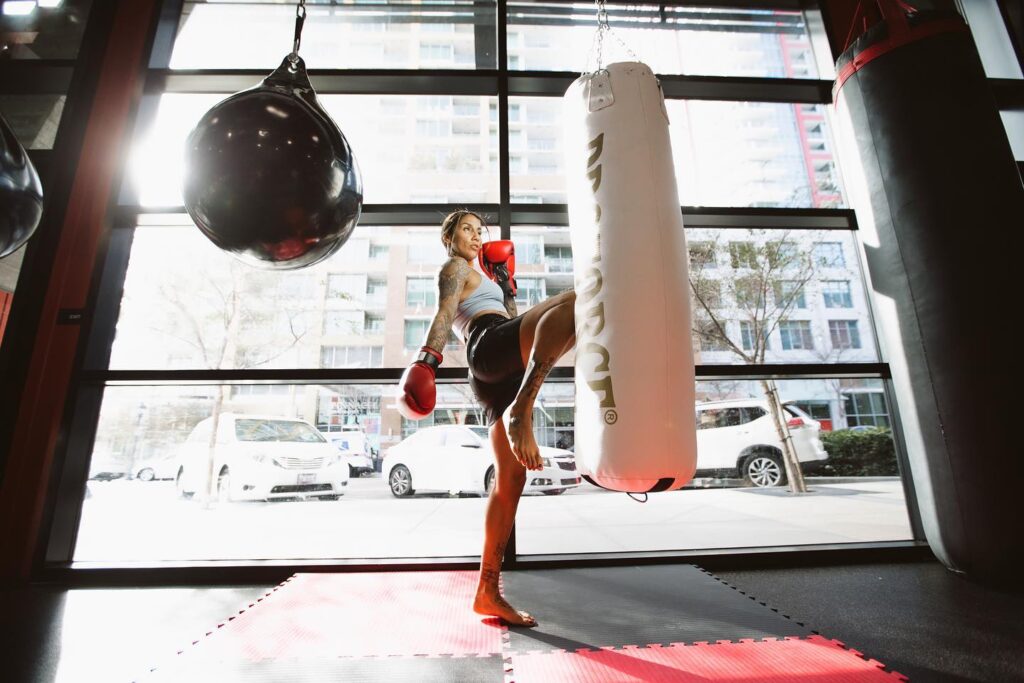
Once you have a solid idea of what you want and need out of martial arts training, you can start to look into different martial arts and figure out which discipline would make the best match. For example, someone who interested in breaking down intricate techniques and repeating patterns but is unsure about full or semi-contact practice could benefit from Karate training that focuses on Kata. Or more fitness-focused Boxing, Muay Thai, or Kickboxing drills that don’t involve a sparring component. Sensory seekers might get a lot out of the physical contact and pressure involved in Brazilian Jiu-Jitsu technique training and rolling, while people who are more sensory avoiding might find this type of martial arts practice a bit overwhelming.
Finding the right format.
Once you know which martial art you or your child wants to try, it’s time to start thinking about the best way to learn it.
Group classes are the most obvious choice. They’re usually the most budget-friendly option and they come with a built-in group of training partners and community members. But the sounds and smells and social dynamics can be a lot to handle. For some people, it will be worth the risk and extra challenge. But some autistic students might need to consider alternate options.
Private or semi-private training are good options for autistic students who want — and can handle — a more traditional training setting when it’s slightly quieter and less overstimulating. Working in small groups or one-on-one with a trainer can also be helpful for any students who have dyspraxia or other issues with physical coordination. It gives them a chance to work at their own pace without having to worry about holding anyone else back or being watched.
Small group or private training isn’t an option for everyone, though. But even if you can’t afford or manage to train in a more formal environment it doesn’t mean that you have to give up on your martial arts dreams entirely. You can start small on your own. Invest in a set of mats and a uniform or basic gear like boxing gloves to get started. Find a good instructional video — or a book, depending on what type of learning works best for your brain — and practice a few techniques on your own and your own pace.
Find the right fit for your gear.
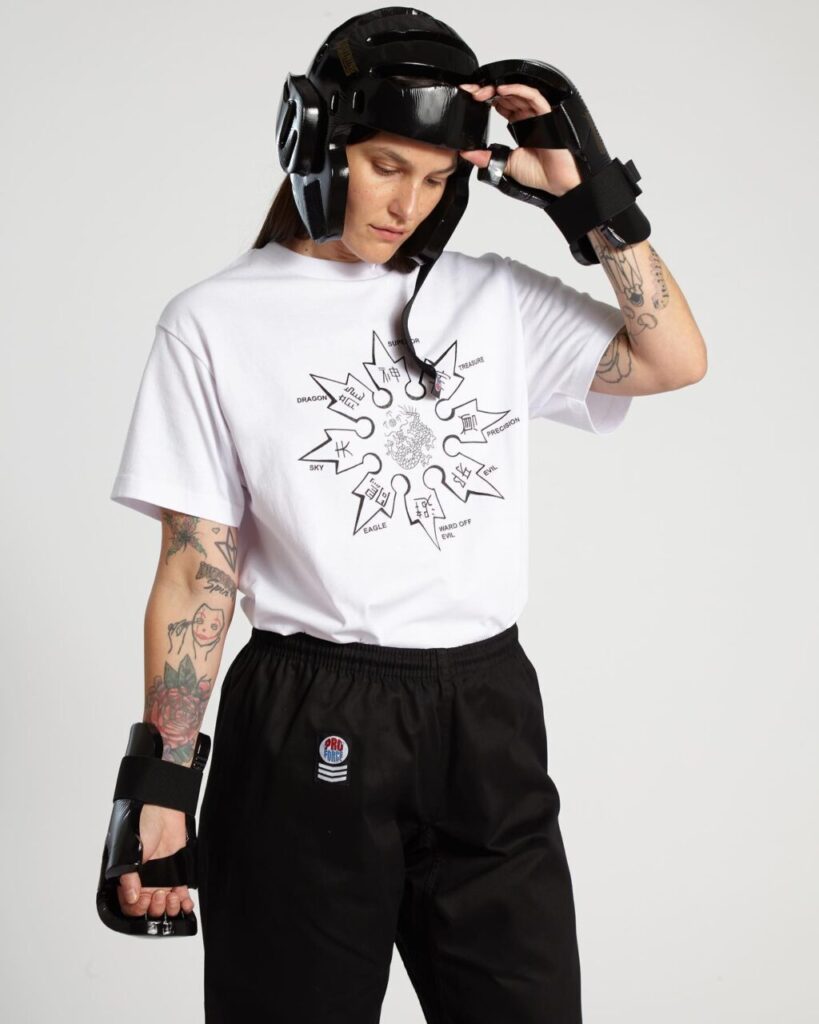
There are some things that all martial artists have to consider when they’re buying training gear. Does it fit? Is it the right type of gear for my martial art? Will it last? Will it provide the right support and comfort so that I can focus on being the best martial artist I can be?
If you have sensory issues, you will also have to consider variables like texture, weight, and compression in your selection process.
For example, conventional thinking says that heavier weight Karate, Judo, and Brazilian Jiu-Jitsu gis are a good investment because they’re more durable and more like the type of uniforms that you’d wear for tournaments and competitions. But some people will find heavier weight weaves to be a little scratchy. They can also get uncomfortable and constricting when they start to get sweaty. In those cases, a softer and lighter weight uniform could be a much better option. A pair of Hy-Gens™ 2 Shoes might come in handy for any autistic people who struggle with unexpected textures touching their feet.
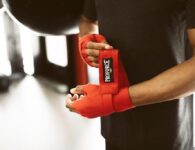
For autistic strikers, finding the right hand wraps can be a make or break decision. A pair with just the right texture and the right amount of stretch can provide all of the necessary support for pad and heavy bag work and a level of compression that can ground you and ease excess anxiety during training.
For more gear suggestions, check out our blog post 5 Gear Tips For Autistic Martial Artists.

Be Patient—And Don’t Beat Yourself Up
Finding the right fit for an autistic martial artist isn’t always an easy process, and you’re probably going to have to deal with a lot of trial and error along the way. But the good news is that learning from your mistakes and getting back up again is all part of the martial arts journey.